The legal landscape surrounding religious accommodations and religious discrimination and harassment in the workplace has shifted in recent years.

The legal landscape surrounding religious accommodations and religious discrimination and harassment in the workplace has shifted in recent years.
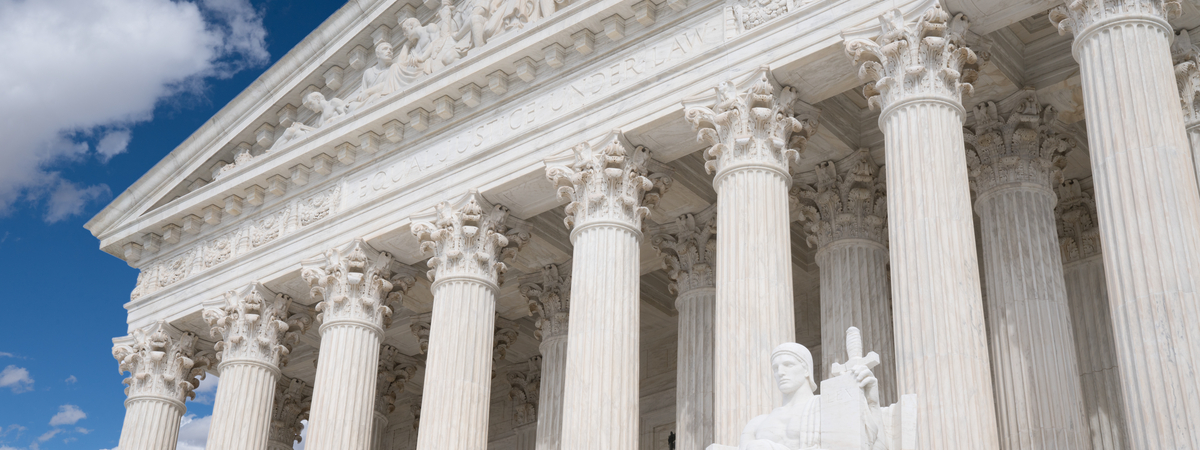
On June 30, 2023, the U.S. Supreme Court decided a case emanating from Colorado, with nationwide implication, 303 Creative LLC v. Elenis. SCOTUS held, by a 6-3 majority, that “the First Amendment prohibits Colorado from forcing a website designer to create expressive designs speaking messages with which the designer disagrees” – specifically, websites

Now that the U.S. Supreme Court’s 2022-2023 term has ended and the dust has (somewhat) settled, employers are no doubt assessing the impact the Court’s decision in Groff v. DeJoy, No. 22-174 (June 29, 2023) will have on employees’ religious accommodation requests. The Court did not change the standard by which to assess accommodation
Given the national spotlight on pay equity, in 2016 there was a radical change in the equal pay legal landscape, as federal administrative agencies and states implemented laws and regulations to improve and enforce pay equity for individuals in protected classes (i.e., sex, race, ethnicity, gender identity, color, religion, national origin, and sexual
New York City has adopted a new, higher standard that employers must meet if they decline to accommodate an employee’s religious observance or practice on the grounds that the accommodation would constitute an “undue hardship.” On August 30, 2011, Mayor Bloomberg signed Local Law 54, which amended the definition of undue hardship in the New York City Human Rights law to match the definition provided in the comparable state law.
Title VII of the Civil Rights Bill of 1964, as amended, requires employers to reasonably accommodate the religious practices of an employee or prospective employee, unless doing so would impose an undue hardship upon the employer. Under Title VII, an undue hardship occurs if the employer would incur anything other than minimal costs in accommodating an employee’s religious practices. The New York State Human Rights Law, however, provides that an employer may only be excused from the duty to accommodate the observance or practice if the accommodation would require “significant expense or difficulty.” Local Law 54 brings the standard for showing undue hardship up from the easier Title VII standard to the more onerous standard set by the New York State law.Continue Reading New York City Adopts More Stringent Standard for Showing “Undue Hardship”