In 2025, Colorado enacted a series of employment law changes affecting wage and hour, leave entitlements, restrictive covenants, anti-discrimination protections, and AI.
Continue Reading 2025 Round-Up: Major Colorado Employment Law Developments


In 2025, Colorado enacted a series of employment law changes affecting wage and hour, leave entitlements, restrictive covenants, anti-discrimination protections, and AI.
Continue Reading 2025 Round-Up: Major Colorado Employment Law Developments

The Colorado Supreme Court has ruled that wage claims under the Colorado Minimum Wage Act must be filed within two years, or three years for willful violations, rejecting a proposed six-year statute of limitations. This decision, in By the Rockies v. Samuel Perez (Sept. 15, 2025), aligns state law with the Colorado Wage Claim Act and federal standards.
Continue Reading Colorado Supreme Court Confirms That Two- to Three-Year Statute of Limitations (Not Six Years) Applies to Colorado Minimum Wage Act Claims
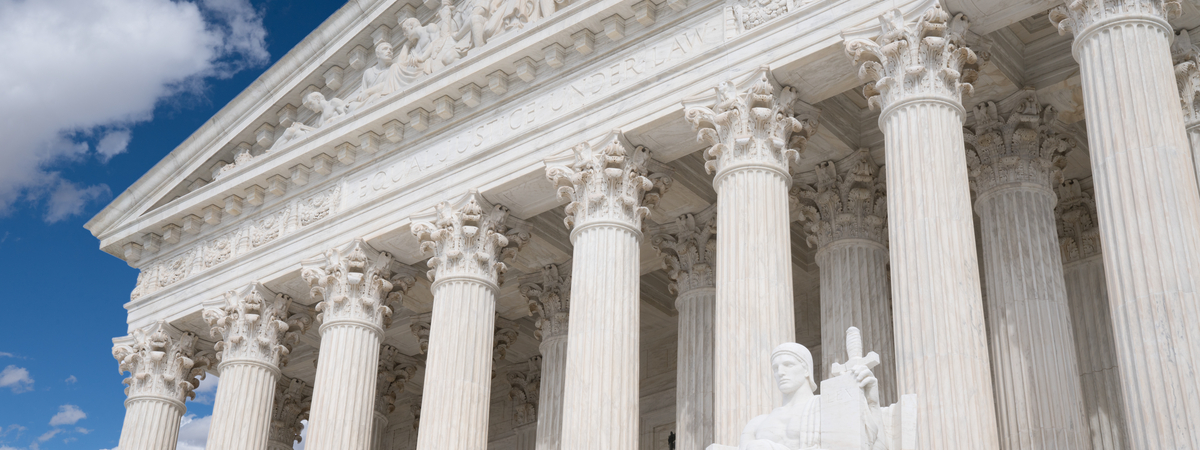
On June 30, 2023, the U.S. Supreme Court decided a case emanating from Colorado, with nationwide implication, 303 Creative LLC v. Elenis. SCOTUS held, by a 6-3 majority, that “the First Amendment prohibits Colorado from forcing a website designer to create expressive designs speaking messages with which the designer disagrees” – specifically, websites
Governor Polis recently signed two laws affecting Colorado employers and employees. First, the Job Application Fairness Act (JAFA) prohibits all Colorado employers from requesting certain information related to prospective employees’ age, as well as education attendance and graduation, on an initial employment application, beginning July 1, 2024. Second, Colorado’s paid sick leave law, the Healthy

Colorado Governor Polis recently signed into law an amendment to the Colorado Equal Pay for Equal Work Act (the Act), most of which will be effective Jan. 1, 2024 (the Amended Act). The Act remains one of the most comprehensive equal pay laws in the United States. The Amended Act reflects the Legislature’s intention to

On Aug. 7, 2023, Colorado employers’ workplace obligations will change due to the passage of the Protecting Opportunities and Workers’ Rights Act (the POWR Act). The POWR Act, which Governor Polis signed after its passage during the most recent legislative session, changes key legal standards related to workplace harassment and non-disclosure agreements with employees, among