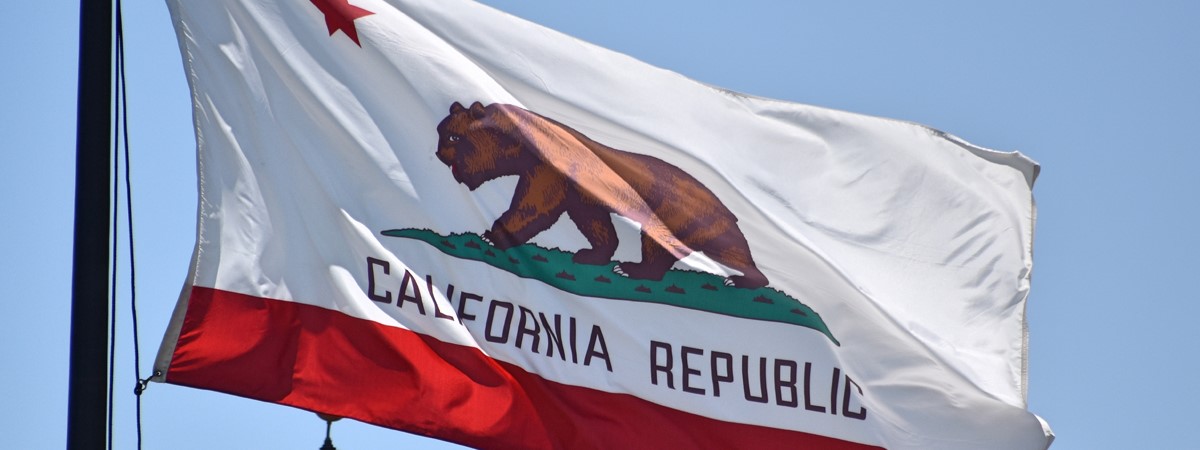
As California employers head into another year of compliance planning, the Golden State legislature has not slowed down. From higher wage thresholds and expanded pay-equity rules to sweeping changes affecting AI use, layoffs, and worker mobility, the coming year brings a slate of employment law updates that HR, legal, and business leaders may want to…

When employers offer new hires a sign-on bonus or existing employees a retention bonus, they typically structure the bonuses as an upfront payment subject to a conditional repayment obligation if the employee’s employment ends prior to a specified retention date.

However, effective Jan. 1, 2026, California Assembly Bill 692 (codified at Business & Professions Code…

While employees are decorating, mulling over their New Year’s resolutions, and hunting for the best sales, California employers are turning their sights to the potential challenges awaiting them in the New Year. As new laws take effect, employers should consider updating their policies and practices to remain in compliance. This GT Alert summarizes some notable…

New pay transparency requirements in Illinois take effect Jan. 1, 2025. Employers will be required to include in any job posting for covered roles the corresponding wage or salary range and a description of the benefits and other compensation the position offers.

Continue reading the full GT Alert.

Effective July 31, New Jersey’s Unemployment Compensation Law (the Law) will require new reporting requirements and feature other notable changes for employers.

Changes to the Law will require employers to submit post-termination notification to the New Jersey Department of Labor & Workforce Development (NJ DOL) (independent from and not triggered by an employee’s claim for…

The city of Los Angeles’s recently passed Fair Workweek Ordinance (the Ordinance) takes effect April 1, 2023. The ordinance aims to ensure Los Angeles retail employees have more predictable work schedules by requiring employers to provide advance notice of those schedules, imposing constraints on how employers can schedule their employees, and holding employers financially responsible…

California employers know the holidays bring chilly nights (by California standards), holiday cheer, decked halls, and… ringing in the New Year with a host of new employment laws and compliance challenges. Here’s a summary of what we believe are some key aspects of new legislation that employers should be aware of before popping the bubbly…

On April 4, 2022, the Massachusetts Supreme Judicial Court (SJC) held, in Reuter v. City of Methuen, that the Massachusetts Wage Act, G.L. c. 149, § 148, requires courts to award triple damages to successful plaintiffs paid their wages late—even if their employer paid them in full and regardless of whether the wages were…

In a case of first impression, on October 4, 2021, in Adams v. Palm Beach County, U.S. Magistrate Judge Bruce E. Reinhart of the Southern District of Florida dismissed with prejudice a putative class action brought by three plaintiffs against Palm Beach County under federal and Florida wage laws. This case may have far-reaching…